


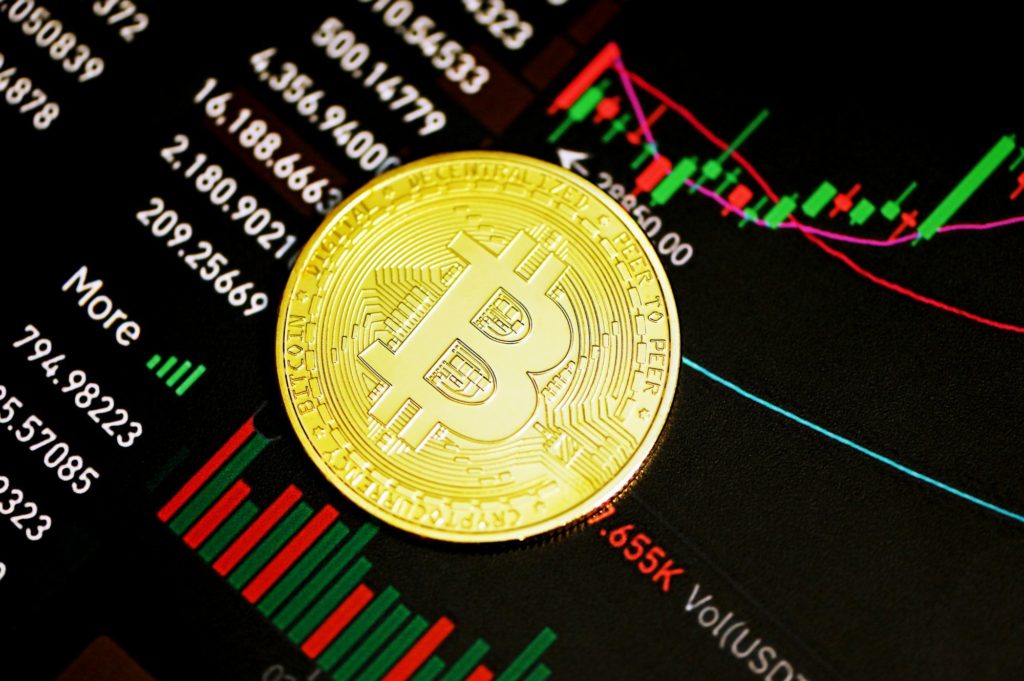
Bitcoin moved higher on Monday even as global stock and bond markets weakened, sparking fresh debate over whether the cryptocurrency can serve as a hedge during periods of rising inflation and geopolitical stress. The digital asset climbed toward $69,000, extending gains while traditional markets struggled amid surging oil prices and uncertainty tied to the conflict in the Middle East.
The move was a notable shift in market behavior. In past episodes of volatility, Bitcoin often traded in tandem with equities, falling when investors reduced risk exposure. This time, however, the cryptocurrency advanced as concerns about energy-driven inflation rattled broader financial markets.
Oil Shock Rekindles Inflation Concerns
The latest gains in Bitcoin coincided with a sharp rally in crude oil, which surged past $100 per barrel as tensions in the Middle East raised fears of supply disruptions. Historically, energy price spikes have fed into broader inflation pressures because higher fuel costs ripple through transportation, manufacturing, and consumer goods.
For some investors, that environment has revived the long-standing argument that Bitcoin’s fixed supply could help protect purchasing power when inflation accelerates. Unlike fiat currencies, Bitcoin issuance is capped at 21 million coins, a design intended to prevent monetary debasement. Market participants say that narrative tends to gain traction whenever inflation expectations rise or when confidence in traditional monetary systems is questioned.
A Break From the Usual Risk Trade
Bitcoin’s strength during a period of market stress is particularly notable because the asset has spent much of the past two years behaving like a high-risk technology stock. During previous bouts of economic uncertainty, investors often sold cryptocurrencies alongside equities.
This week’s divergence suggests some traders may be reassessing how the asset fits into portfolios during macroeconomic shocks. While Bitcoin did not surge dramatically, simply holding steady while equities and bonds declined was enough to draw attention from market observers. Still, analysts caution that short-term moves do not necessarily signal a lasting shift in Bitcoin’s relationship with traditional assets.
Performance Compared With Traditional Hedges
Bitcoin’s recent gains have also outpaced some traditional inflation hedges. Gold, which is widely viewed as a store of value during economic turmoil, has declined modestly over the same period. The shift highlights how investor preferences can evolve quickly when markets become volatile. While gold remains the most established hedge against inflation, digital assets have increasingly entered the conversation as an alternative store of value, particularly among institutional investors seeking diversification. At the same time, cryptocurrencies remain far more volatile than traditional safe-haven assets, which limits their appeal for more conservative portfolios.
ETF Outflows Reflect Lingering Skepticism
Despite the price rebound, investor sentiment toward cryptocurrencies remains mixed. U.S.-listed spot Bitcoin exchange-traded funds have seen billionsin net outflows in recent months, reflecting caution among institutional investors. Those withdrawals suggest many market participants remain hesitant to commit new capital to digital assets amid ongoing regulatory uncertainty, volatile price swings, and the broader macroeconomic environment. Lower volatility in the crypto market during recent sessions has also been interpreted by some analysts as a temporary equilibrium rather than a clear signal of renewed bullish momentum.
Looking Ahead
Bitcoin’s next direction may depend heavily on the broader macroeconomic landscape. If energy prices remain elevated and inflation expectations rise, the narrative of Bitcoin as a hedge against monetary instability could regain traction. However, sustained gains will likely require stronger institutional demand and renewed inflows into crypto investment products. Investors will also continue monitoring regulatory developments and the evolving relationship between cryptocurrencies and traditional financial markets. For now, Bitcoin’s ability to climb while stocks and bonds faltered has reopened a familiar debate: whether the world’s largest cryptocurrency is merely another risk asset—or an emerging alternative hedge in an increasingly uncertain economic environment.