


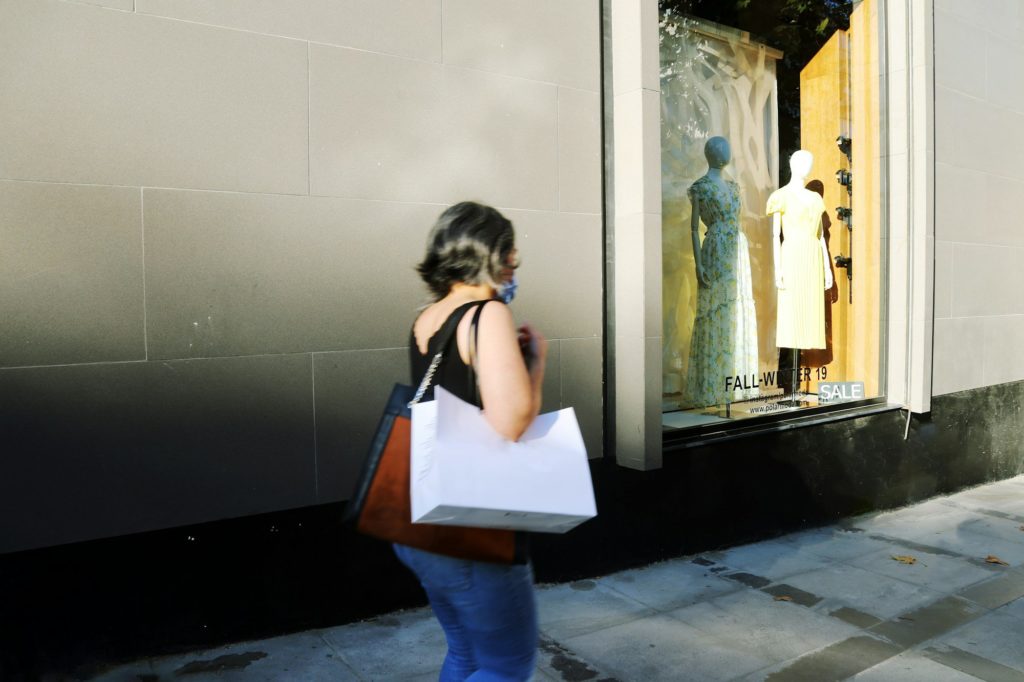
U.S. consumer spending held strong during the holiday season, defying rising prices, cooling job growth, and weak sentiment. Fresh government data shows Americans continued to spend in November, extending a trend that has helped boost economic growth even as other pillars begin to wobble.
Spending rose 0.5% from October, outpacing expectations and marking another month of solid momentum. Adjusted for inflation, consumption still increased, underscoring that demand remains real rather than purely price-driven. For now, the consumer, long viewed as the economy’s most reliable engine, continues to carry disproportionate weight.
Where the Spending Is Coming From
A closer look at the data reveals that much of November’s spending growth was concentrated in essential categories, particularly health care and energy. Nearly half of the monthly increase came from those two areas alone, suggesting that higher outlays may reflect necessity as much as discretionary enthusiasm.
That distinction matters. While topline spending looks healthy, economists note that rising costs for services, insurance, and fuel are forcing households to allocate more of their income toward non-negotiables. This can inflate headline consumption figures while masking strain elsewhere, particularly in discretionary goods and lower-income households.
A K-Shaped Consumer Economy Takes Hold
The durability of spending has been attributed to a widening gap between higher- and lower-income households. Wealthier consumers, buoyed by stock market gains, home equity, and accumulated savings, continue to spend freely — especially on travel, services, and premium goods.
At the same time, lower- and middle-income households are showing signs of stress. Credit usage has climbed, savings have fallen, and income growth has slowed materially after taxes. The result is a consumption landscape increasingly driven by those at the top, leaving aggregate data looking stronger than the median household experience.
Income Growth Weakens as Savings Run Thin
Beneath the spending numbers, income growth is losing momentum. Personal income rose modestly in November, but after accounting for taxes, gains were minimal. The savings rate slipped to its lowest level in more than three years, highlighting how consumers are increasingly dipping into reserves to sustain spending. Economists warn that this dynamic is fragile. Spending supported by shrinking savings and slower income growth is inherently less durable, particularly if labor market conditions soften further or borrowing costs remain elevated.
Inflation Remains Sticky, Complicating the Outlook
Price pressures, while no longer rising, remain stubbornly above the Federal Reserve’s target. Inflation held steady on both a headline and core basis, with services costs continuing to exert upward pressure even as goods prices show more moderation. This persistence limits how much relief consumers may feel in the near term. While inflation is no longer surging, it is also not retreating quickly enough to meaningfully restore purchasing power for most households.
Data Distortions Add to the Uncertainty
Interpreting the latest spending and inflation data comes with caveats. A prolonged government shutdown disrupted data collection and forced statistical agencies to rely on estimates and averaging for certain categories. As a result, October and November figures were released together, blurring month-to-month signals. Economists caution that while the broad trends are clear, the precise strength of consumer activity may be harder to gauge until more timely and complete data becomes available in the months ahead.
Looking Ahead
The consumer remains strong but increasingly stretched. Steady spending through the holiday season suggests the economy has avoided an abrupt slowdown, yet the foundation supporting that strength is struggling. As savings dwindle, income growth slows, and inflation stays sticky, the sustainability of consumer-led growth will hinge on the labor market. If job gains weaken meaningfully or credit conditions tighten further, spending could cool more quickly than recent data suggests. For now, the consumer is still standing — but the margin for error is shrinking.