


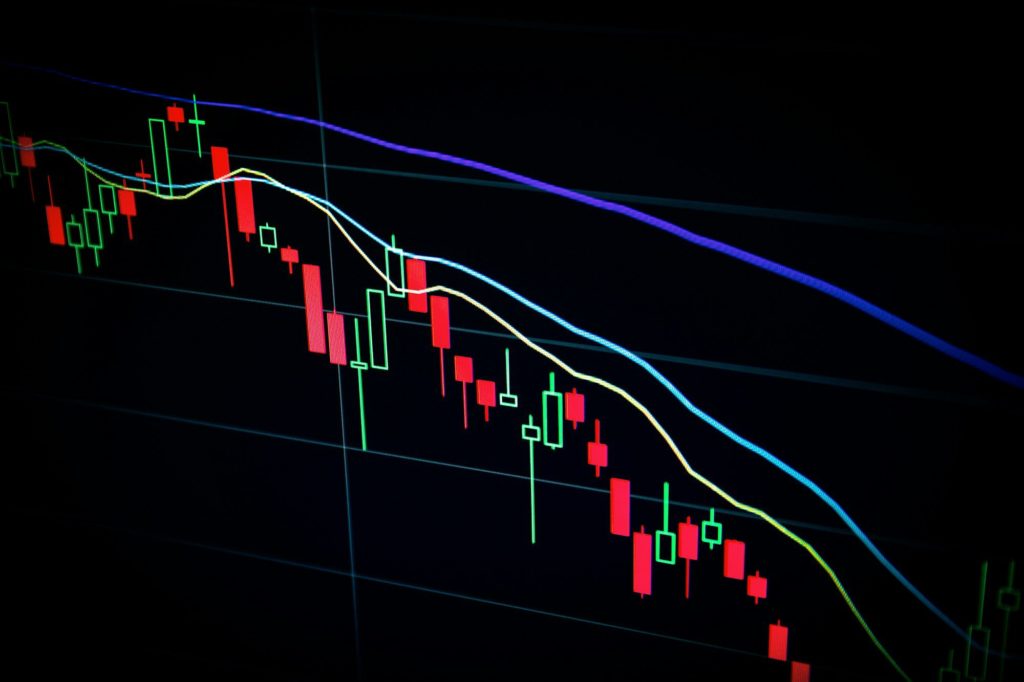
U.S. stocks dove on Thursday as investors reacted to rising geopolitical tensions in the Middle East and a surge in oil prices that reignited inflation concerns. The Dow Jones Industrial Average dropped more than 500 points during the session, while the S&P 500 and Nasdaq Composite also extended their recent sell-off as risk appetite weakened.
Energy markets were at the center of the turmoil after crude oil briefly surged above $100 per barrel amid fears that the widening conflict involving Iran could disrupt global supply routes. The spike in oil prices, combined with rising Treasury yields and inflation uncertainty, added pressure on equities and pushed investors toward a more cautious stance.
Market Movers:
- Lightwave Logic (LWLG) +40%: Shares surged after the company announced a partnership with Tower Semiconductor to integrate its electro-optic polymer technology into Tower’s silicon photonics platform. The collaboration aims to develop faster, lower-power optical modulators for high-speed data transmission, with multiple engineering tapeouts planned for 2026.
- Bumble (BMBL) +32%: Shares jumped after the dating app company reported fourth-quarter revenue that topped expectations and issued guidance that reassured investors about improving growth trends. Management highlighted product innovation and improving user engagement as drivers that could help stabilize revenue headwinds in 2026.
- Ballard Power Systems (BLDP) +12%: The hydrogen fuel cell developer gained after reporting quarterly revenue that beat estimates and showed strong growth in heavy-duty mobility demand. Bus and rail applications drove much of the expansion, while the company ended the year with a sizable backlog that signals continued momentum.
- UiPath (PATH) -8%: Shares fell despite the automation software company beating earnings expectations and posting strong revenue growth. Investors appeared focused on cautious forward guidance and concerns about the pace of enterprise spending in the year ahead.
- Dollar General (DG) -7%: The discount retailer declined even after reporting better-than-expected earnings, as investors reacted to conservative guidance for sales and profits. Management cited a pressured consumer environment and rising gasoline prices as factors likely to weigh on spending.
- GlobalFoundries (GFS) -5%: Shares dropped after the semiconductor manufacturer announced a secondary offering of 20 million shares from a major shareholder. Although the company plans to repurchase a portion of the shares as part of its buyback program, the new supply pressured the stock.
- JPMorgan Chase (JPM) -3% The banking giant slipped amid broader weakness in financial stocks and growing concerns about stress in the private credit market. Analysts also pointed to technical breakdowns in the stock as a potential signal that investors are becoming more cautious on the financial sector.
Oil Shock Drives Market Sentiment
The biggest driver of Thursday’s sell-off was the rapid surge in crude oil prices amid the intensifying Middle East conflict. Strikes targeting energy infrastructure and shipping routes raised fears of supply disruptions, with some officials warning that crude prices could climb significantly higher if the Strait of Hormuz remains closed. Higher oil prices tend to ripple through the broader economy by raising transportation, manufacturing, and consumer costs. Investors worry that sustained energy inflation could slow economic growth while simultaneously pushing prices higher, creating a difficult environment for both companies and policymakers.
Bond Market Sends Warning Signals
At the same time, the bond market is flashing its own signals of concern. Long-term Treasury yields have climbed sharply, with the 30-year yield approaching the psychologically important 5% level that has previously unsettled equity markets. Rising yields reflect a combination of factors, including inflation fears, increased Treasury issuance, and weaker demand at recent government debt auctions. Higher yields also raise borrowing costs across the economy, which can pressure corporate investment and weigh on equity valuations.
Policy and Economic Uncertainty Lingers
Economic data offered only limited relief for investors. Initial jobless claims came in slightly below expectations, suggesting the labor market remains relatively stable despite growing macro uncertainty. Meanwhile, the Federal Reserve is widely expected to hold interest rates steady at its upcoming meeting after the latest inflation report showed prices largely in line with forecasts. However, the sudden jump in oil prices could complicate the Fed’s outlook, as energy shocks have historically fed into broader inflation pressures.
Looking Ahead
Markets now face a delicate balancing act between geopolitical risks, inflation concerns, and monetary policy expectations. If oil prices remain elevated or the Middle East conflict continues to escalate, investors may brace for continued volatility across equities, commodities, and bonds. In the near term, traders will closely watch upcoming inflation data and signals from the Federal Reserve for clues on the direction of interest rates. With energy markets driving much of the current uncertainty, developments in global oil supply could remain the dominant force shaping market sentiment in the weeks ahead.