


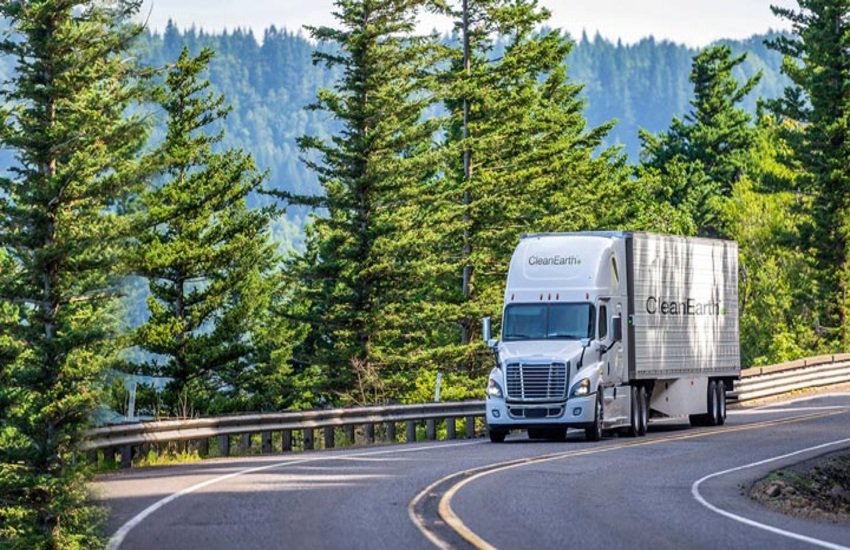
Enviri (NYSE:NVRI), a small-cap environmental services company, just sold its prized Clean Earth unit to French waste-management behemoth Veolia for a cool $3 billion. That's not a typo. In one of the largest recent U.S. waste sector acquisitions, Veolia is buying Clean Earth—a leading hazardous waste business—at nearly 18x trailing EBITDA. Enviri shareholders will pocket a cash payout of $14.50 to $16.50 per share and keep full ownership of what remains: Harsco Environmental and Harsco Rail, soon to be spun off as "New Enviri." But beyond the headlines, what does Veolia see in this U.S. small-cap name? And why shell out such a hefty price? Let's dig into what makes Clean Earth so attractive—and how this transaction could reshape the competitive landscape in hazardous waste and beyond.
A Scale Play in a Fragmented U.S. Market
The U.S. hazardous waste sector is highly fragmented, with dozens of regional players and very few companies operating coast-to-coast. Clean Earth is one of the exceptions. With operations across all major states and a strong regulatory track record, it's built an integrated platform that offers Veolia a rare chance to double its U.S. hazardous waste footprint overnight. For Veolia, this is less about organic growth and more about instant scale. The deal boosts its North American hazardous waste revenue to €5.2 billion, giving it the size to compete more effectively with domestic leaders like Clean Harbors.
From a logistics and compliance standpoint, Clean Earth also brings deep expertise in handling complex hazardous materials, including soils, dredged material, and industrial waste. Veolia, which already has a strong global footprint, gains local operational depth and a business model that's deeply embedded in American regulatory frameworks. That’s a tough advantage to replicate organically.
Adding to the synergy, Clean Earth's current margins are healthy—17% EBITDA margins in Q3 and a record performance in 2025. There’s also $120 million in targeted synergies expected by year four, and Veolia expects the acquisition to be accretive to EPS from year two. For a strategic buyer looking to consolidate in a high-regulation industry, this kind of platform doesn’t come around often.
Regulatory Tailwinds and Margin Resilience
Hazardous waste isn’t exactly a cyclical business. Thanks to strict EPA and state-level regulations, waste generators have to dispose of material no matter what. That means Clean Earth enjoys sticky demand and stable pricing power. It’s the kind of regulatory tailwind that turns small-cap headaches into big-cap fortresses.
Veolia, which operates in more than 40 countries, faces uneven margins and regulatory risks across emerging markets. Clean Earth offers margin stability, operational visibility, and strong pricing dynamics tied to long-term contracts. Even as Enviri faced challenges in its Rail and Environmental units, Clean Earth was a consistent cash cow, generating over $400 million in free cash flow since 2020.
With Enviri reporting Clean Earth’s hazardous waste EBITDA up 15% year over year—despite inflation, project delays, and soil & dredge lumpiness—this segment stood out as the company’s crown jewel. And the market knows it: Veolia paid nearly 3x Enviri’s original investment.
For Veolia, plugging Clean Earth into its broader environmental services matrix is a way to smooth out earnings while strengthening its U.S. presence in a regulatory-heavy niche. This is less about flashy growth and more about resilient, utility-like cash flows.
The Sum-of-the-Parts Advantage
From Enviri’s point of view, this isn’t just a divestiture—it’s a spotlight on hidden value. Before the Clean Earth sale, Enviri’s market cap didn’t fully reflect the asset’s worth. With this $3 billion check from Veolia, Enviri crystallizes that value and returns it directly to shareholders.
Shareholders receive a hefty cash payout and retain ownership in New Enviri, which will house the Rail and Environmental businesses. Enviri estimates New Enviri will launch with $135 million in pro forma EBITDA and 2x net leverage—a clean slate, operationally and financially.
Here’s why that matters for Veolia: most small-cap companies struggle to unlock this kind of value due to conglomerate discounts. Veolia is essentially buying a standalone platform that’s been carved out and optimized for a strategic buyer. That minimizes integration risk and lets Veolia hit the ground running.
Plus, Enviri’s board has gone to great lengths to make the transaction tax-efficient, with minimal leakage. From a financial engineering standpoint, this isn’t a messy M&A. It’s clean, straightforward, and shareholder-friendly.
Positioned for Future Growth in Hazardous Waste
The waste industry is consolidating, and hazardous waste—the most highly regulated slice of it all—is becoming a game of scale, compliance, and recurring cash flow. That’s where Clean Earth fits in. It’s not just about what Clean Earth is today, but what it could become under a global parent with deep capital and a bigger commercial network.
Veolia has raised its EBITDA growth target for hazardous waste to 10% annually between 2024 and 2027. Clean Earth’s capabilities and footprint make that target look more achievable. There’s room to optimize logistics, expand service offerings to industrial clients, and layer on Veolia’s own global best practices.
And don’t overlook the soil and dredge business, which Enviri acknowledges is "lumpy" but profitable over time. With better project timing and integration into Veolia’s broader ecosystem, this segment could generate meaningful upside.
So while $3 billion sounds steep, Veolia isn’t buying the past—it’s buying a future-proof asset in a market with high barriers to entry and stable long-term growth. If Clean Earth was under-levered and undervalued under Enviri, it could be a growth enabler under Veolia.
Final Thoughts

Source: Yahoo Finance
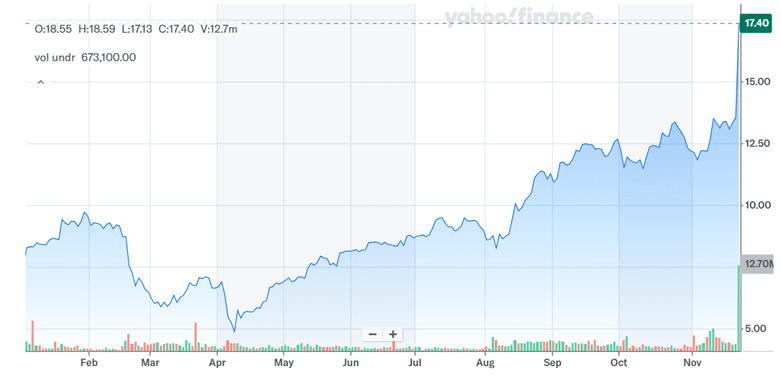
The market cheered the deal, sending Enviri shares up by more than 30% and making its valuation jump. At 18x trailing EBITDA and 15.28x LTM EV/EBITDA for Enviri as a whole, the deal commands a premium rarely seen in the waste management space. But that premium may be justified by the strategic fit and financial synergies on offer.
For Enviri, the sale unlocks significant value and resets the company around a smaller, less leveraged core. Whether New Enviri lives up to its name will depend on execution in its Rail and Environmental businesses—both of which face market and operational headwinds. The upcoming spin-off means investors now have optionality: take the cash, or stick around for the turnaround. For Veolia, this is a bet on the U.S. market and on Clean Earth’s proven model. It’s also a show of confidence in hazardous waste as a long-term growth engine. Whether that bet pays off depends on integration and macro trends.
Either way, the $3 billion question has been answered. Now it is time to watch what both companies do next.