Bitcoin Price Drops Below $82,000 as Crypto Selloff Deepens Amid Oil Surge and Market Turmoil
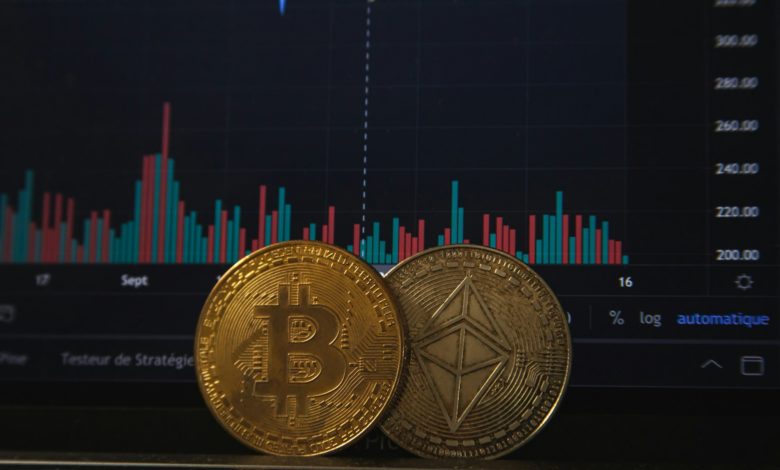
Bitcoin (BTC) fell below $82,000 on Thursday as escalating tensions in the Middle East and a broader selloff in technology stocks pushed investors out of riskier assets. The world's largest cryptocurrency fell about 3.5% in 24 hours to around $81,500, extending a difficult October marked by sharp price swings and fading investor confidence.
The downturn spread across the cryptocurrency market, with Ethereum and other major digital assets also losing ground. Crypto's total market capitalization declined 1.4% over the previous 24 hours, according to CoinMarketCap, while roughly $400 million in leveraged positions were liquidated, according to CoinGlass. The latest decline underscores bitcoin's continued sensitivity to global financial conditions despite its growing presence in institutional portfolios.
Bitcoin Falls as Wall Street's Risk Appetite Weakens
Bitcoin's latest retreat coincided with a broad selloff in U.S. equities, particularly technology stocks, as investors reassessed corporate earnings and the outlook for artificial intelligence spending. The Nasdaq Composite fell roughly 2% Thursday, while the S&P 500 declined more than 1%. Disappointing reactions to earnings from major technology companies, including Meta, added pressure to a market already struggling with concerns about the enormous costs of AI infrastructure.
Bitcoin has increasingly traded alongside other speculative investments during periods of financial stress. Although supporters frequently describe the cryptocurrency as an alternative store of value, its recent performance suggests investors are still treating it primarily as a risk asset when uncertainty rises. The latest decline also follows an earlier October selloff that pushed bitcoin below $82,000. The cryptocurrency has struggled to establish a sustained recovery, leaving traders cautious about whether recent price stabilization can hold.
Oil Prices Surge as Middle East Tensions Escalate
Geopolitical developments added another layer of pressure Thursday as oil prices climbed to their highest levels since May. Brent crude surged above $112 per barrel, while West Texas Intermediate traded above $100 amid concerns about further escalation in the Middle East. Reports of potential renewed military action involving Iran, along with attacks affecting Saudi Arabia, raised fears of additional disruptions to global energy supplies.
Higher oil prices present a challenge for cryptocurrency investors because they can intensify inflation pressures and complicate the Federal Reserve's interest rate decisions. If inflation remains elevated, policymakers may have less flexibility to lower borrowing costs. That could keep financial conditions restrictive, potentially weighing on speculative investments such as bitcoin. For now, geopolitical uncertainty is reinforcing a defensive shift across global markets rather than driving investors toward cryptocurrencies as a safe haven.
Crypto Liquidations Add to Selling Pressure
Thursday's decline triggered approximately $400 million in cryptocurrency liquidations over 24 hours, highlighting the risks associated with leveraged trading. Liquidations occur when exchanges automatically close positions that no longer meet margin requirements. During rapid market declines, these forced sales can amplify downward price movements and create additional volatility.
The latest wave follows another significant bout of selling earlier this month. On October 12, bitcoin dropped below $82,000 as cryptocurrency liquidations exceeded $770 million, according to The Block. While Thursday's liquidation total was smaller, the renewed pressure suggests traders remain vulnerable to sudden changes in market sentiment. The broader weakness across digital assets also indicates that investors are reducing exposure to cryptocurrency markets generally, rather than simply rotating between individual tokens.
Treasury Markets Offer a Potential Bright Spot
Despite the selloff, some analysts believe underlying financial conditions could eventually become more supportive of bitcoin. Fundstrat's head of digital asset strategy, Sean Farrell, has highlighted declining volatility in U.S. Treasury markets and improving high-yield credit conditions as potentially favorable developments for cryptocurrencies.
Bitcoin has historically been sensitive to interest rate uncertainty because sudden movements in bond markets can constrain liquidity, increase financing costs and reduce investors' willingness to take risks. Thursday's flight toward government bonds pushed the benchmark 10-year Treasury yield down roughly 11 basis points to around 5.02%, even as oil prices climbed.
Lower yields could eventually ease pressure on risk assets, particularly if credit markets remain stable. However, falling yields driven by fears of economic weakness do not necessarily translate into immediate gains for bitcoin. The distinction will be important as investors determine whether the current market turbulence represents a temporary correction or the beginning of a more prolonged period of risk aversion.
Looking Ahead
Bitcoin's immediate challenge is reclaiming the $82,000 level and establishing a more convincing recovery after repeated selloffs this month. Investors will be watching cryptocurrency liquidations, technology stock performance and developments in the Middle East for signs that selling pressure is easing. The outlook will also depend on Treasury market stability and expectations for Federal Reserve policy. While improving liquidity conditions could eventually support a rebound, bitcoin remains vulnerable to further declines if oil prices continue climbing and investors maintain their defensive positioning.