Bitcoin Slides Toward Worst Month Since 2022 as ETF Outflows and Fed Concerns Weigh on Crypto
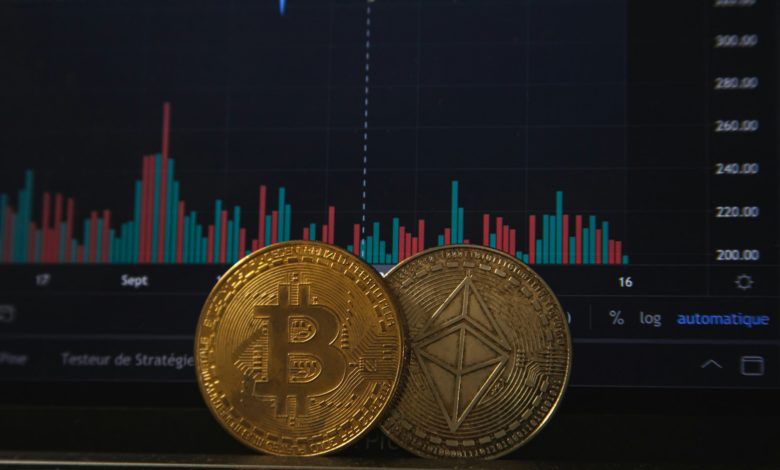
Bitcoin (BTC) is on track to post its worst monthly performance in four years after dipping below the $60,000 mark, extending a selloff that has left it under pressure throughout the first half of 2026. The latest decline comes as investors deal with persistent outflows from spot Bitcoin exchange-traded funds, a more hawkish outlook from the Federal Reserve, and continued risk-off sentiment across financial markets.
Despite some rallies, Bitcoin has struggled to regain momentum after retreating from its record high reached last October. The cryptocurrency has now lost roughly one-third of its value since the start of the year, dramatically underperforming traditional equity markets and raising fresh questions about when the current crypto downturn may finally stabilize.
Bitcoin Extends Steep 2026 Decline
Bitcoin entered June already facing headwinds, but the selling rose throughout the month as institutional investors continued to limit exposure to digital assets. By the end of June, the cryptocurrency was down more than 19% for the month and approximately 33% year to date, while trading roughly 50% below its all-time high.
Market analysts note that the current correction has resembled previous crypto bear markets in terms of price action, with prolonged downward momentum, weaker trading volumes, and repeated liquidation events keeping buyers on the sidelines. Even so, many observers point out one important difference: unlike previous downturns, the current cycle has unfolded without the widespread bankruptcies, exchange failures, or major fraud scandals that defined earlier crypto crashes.
ETF Outflows Continue to Pressure Prices
One of the biggest factors weighing on Bitcoin has been sustained selling from U.S. spot Bitcoin exchange-traded funds. June is on pace to become the largest monthly withdrawal period since the funds launched in early 2024, with investors pulling more than $4 billion from the products.
The continued outflows have reduced an important source of institutional demand that helped drive Bitcoin's rally over the past two years. As capital exits the ETF market, selling pressure has intensified, making it more difficult for Bitcoin to establish a durable recovery despite improving broader market conditions. Analysts say ETF flows remain one of the most closely watched indicators for crypto investors, as sustained inflows have historically supported price appreciation while persistent redemptions often coincide with periods of weakness.
Higher Interest Rates Cloud the Outlook
Macroeconomic conditions have also become increasingly challenging for cryptocurrencies. Stronger-than-expected inflation readings and resilient economic data have fueled expectations that the Federal Reserve could keep interest rates elevated for longer or even consider additional tightening.
Higher interest rates generally reduce investor appetite for speculative assets by increasing the attractiveness of lower-risk investments while tightening overall financial conditions. That environment has weighed on cryptocurrencies throughout 2026, particularly as liquidity conditions have become less favorable than during previous bull markets. Several market strategists believe monetary policy will remain a key driver of Bitcoin's performance over the coming months.
Analysts See More Volatility Ahead
While some investors believe Bitcoin may be approaching a long-term buying opportunity, others warn that the market has not yet established a definitive bottom. Several analysts expect additional downside before sentiment begins to improve, with some forecasting that Bitcoin could revisit the $40,000 to $45,000 range later this year if selling pressure persists. Others argue that the absence of systemic failures within the crypto industry is an encouraging sign.
Rather than being driven by bankruptcies or excessive leverage, much of the current deleveraging has remained confined to decentralized markets, suggesting the industry's overall financial foundation may be stronger than in previous downturns. Meanwhile, investors have also taken some reassurance from recent actions by Strategy, the largest corporate holder of Bitcoin. The company recently raised more than $1 billion to strengthen its cash position rather than immediately purchase additional Bitcoin, easing concerns about its liquidity and reducing fears that it could become a forced seller during the current downturn.
Looking Ahead
Bitcoin faces several important catalysts during the second half of 2026, including Federal Reserve policy decisions, institutional ETF flows, and broader investor appetite for risk assets. Any signs that inflation is cooling or that monetary policy may become less restrictive could help improve sentiment across the cryptocurrency market. For now, however, traders remain cautious. Until ETF outflows begin to stabilize and technical momentum improves, Bitcoin is likely to remain vulnerable to further volatility. While many long-term investors continue to view the current pullback as part of a broader market cycle, the coming months will be critical in determining whether the world's largest cryptocurrency can establish a lasting bottom or face another leg lower.