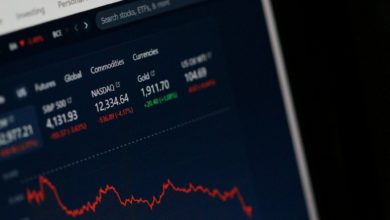
Gold Slides 4% as Dollar Surge and Global Sell-Off Undercut Safe-Haven Trade
Gold prices sank sharply on Tuesday, sliding as much as 4% in their steepest one-day drop since late January, as a surging US dollar and broad equity sell-off undercut demand for the precious metal. Futures tied to Gold fell toward their lowest levels since February, reversing gains sparked by weekend US and Israeli strikes on Iran
The move came as the US Dollar Index climbed toward a three-month high, amplifying pressure on commodities priced in dollars. A stronger greenback makes bullion more expensive for overseas buyers and often triggers portfolio rebalancing that favors cash and short-term fixed income over non-yielding assets like gold.
Dollar Strength Drives the Reversal
The dollar’s rapid ascent has become the key macro force in global markets this week. The greenback’s surge has raised concerns about tightening financial conditions, especially as foreign governments may sell US Treasurys to stabilize their own currencies — a dynamic that can lift bond yields.
Higher yields reduce the appeal of holding gold, which offers no income stream. Analysts cited by Reuters noted that as Treasury yields rise in tandem with the dollar, bullion often faces a dual headwind: weaker foreign demand and stronger competition from interest-bearing assets.
War Premium Fades as Liquidity Takes Priority
Over the weekend, escalating conflict in the Middle East had injected a geopolitical risk premium into gold prices. Such a premium could add as much as 10% to bullion under sustained tension. But history shows those gains are often fleeting if broader markets deteriorate. When equity markets slide sharply, investors frequently sell gold to raise liquidity or meet margin calls, even if geopolitical risk remains elevated.
Precious Metals Broadly Under Pressure
The pullback wasn’t isolated to bullion. Futures tied to Silver slid as much as 8%, while Platinum dropped 10% and Palladium fell around 7%. Analysts noted that precious metals often move in tandem during periods of forced liquidation, particularly when hedge funds and institutional investors reduce exposure across commodity complexes. The magnitude of Tuesday’s declines suggests positioning may have been stretched following gold’s recent rally.
Meanwhile, oil prices continued climbing, adding another layer of complexity. Rising crude can fuel inflation concerns, potentially limiting the Federal Reserve’s ability to cut rates as aggressively as previously expected, another bearish factor for gold if real yields trend higher.
Fed Policy and Inflation Crosscurrents
Investors are increasingly reassessing expectations for rate cuts in 2026. With energy prices surging and geopolitical uncertainty clouding the outlook, policymakers may tread cautiously. Gold typically benefits when rate cuts are imminent and real yields fall. But if inflation expectations climb faster than the Fed eases policy, the metal can struggle. Reuters analysts emphasized that the path of real yields — not just headline inflation — will be critical in determining bullion’s next move.
Looking Ahead
Gold now sits at a technical crossroads. If the dollar continues its climb and equity volatility persists, further near-term downside cannot be ruled out, particularly if forced selling accelerates. Analysts cited by Bloomberg suggest key support levels will be closely watched by institutional traders. However, geopolitical risk remains elevated, and any escalation in the Middle East or abrupt reversal in the dollar could quickly restore gold’s safe-haven appeal. For investors, the next directional cue will likely come from currency markets and Treasury yields — not just headlines from the battlefield.