Stock Market Today: Nasdaq Plunges 2% as Meta, Tesla Earnings and Surging Oil Rattle Wall Street
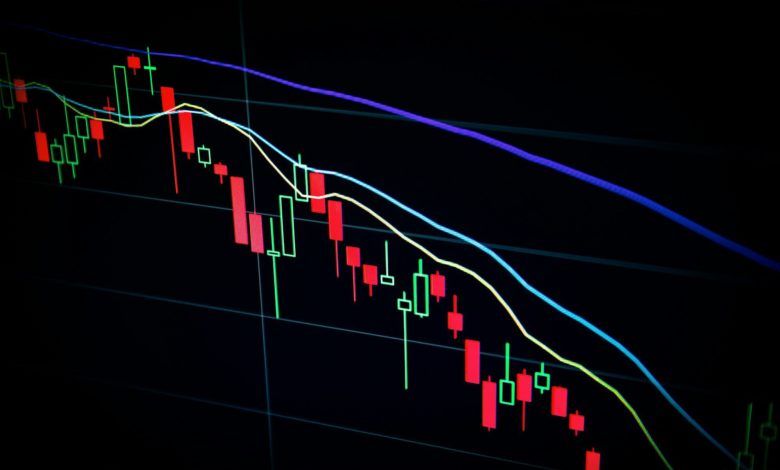
U.S. stocks tumbled on Thursday as a renewed technology selloff and surging oil prices rattled Wall Street. The Nasdaq Composite led the decline, falling roughly 2%, while the S&P 500 dropped 1.2%. The Dow Jones Industrial Average hovered near the flatline after slipping as much as 0.2% earlier in the session.
The losses came as investors digested quarterly earnings from Meta and Tesla, with concerns about the enormous costs of artificial intelligence infrastructure once again weighing on technology stocks. Meanwhile, escalating tensions in the Middle East pushed oil prices to five-month highs, sending investors toward safer government bonds despite renewed inflation fears.
Market Movers:
- Meta Platforms (META) -6%: Shares plunged as investors assessed the company's quarterly results and the rising costs associated with its AI expansion plans. A newly announced 2-for-1 stock split failed to offset concerns about future spending and profitability.
- Tesla (TSLA) -1.3%: Shares slipped despite the electric vehicle maker delivering an earnings beat, as investors focused on its long-term spending outlook. Tesla lowered its 2026 capital expenditure expectations but signaled higher investment in 2027 and 2028 for Optimus, Cybercab and its Terafab semiconductor project.
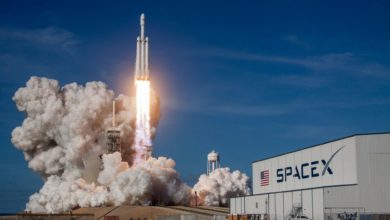
- SpaceX (SPCX) -5.9%: Shares retreated sharply after Wednesday's nearly 11% post-earnings rally, giving back more than half of the previous session's gains. The pullback came as investors reassessed the company's aggressive spending plans and the broader outlook for AI infrastructure investments.
- Blackstone (BX) +6.4%: Shares rallied after executives offered an encouraging outlook for fourth-quarter investment exits and future fee growth. The firm expects realizations from transactions already under contract to exceed third-quarter levels and reiterated its forecast for double-digit base management fee growth in 2027.
AI Stocks Slide as Investors Question Spending
Technology shares led Thursday's downturn as concerns about the cost of the AI boom resurfaced. Meta's earnings brought renewed attention to the billions of dollars major technology companies are investing in data centers, computing infrastructure and advanced AI systems. Tesla's plans to increase spending on robotics, autonomous vehicles and semiconductor manufacturing added another layer to the debate.
The selloff also extended to SpaceX, which surrendered much of Wednesday's rally despite reporting strong quarterly results. Investors are increasingly distinguishing between companies generating substantial profits from AI and those facing years of heavy spending before their investments deliver meaningful returns.
Oil Surges as Middle East Tensions Escalate
Energy markets delivered another shock Thursday as geopolitical tensions pushed crude prices to their highest levels in five months. Brent crude climbed to approximately $112 per barrel, while West Texas Intermediate reached $100. The rally followed reports that the United States and Israel could be preparing renewed strikes against Iran after November's midterm elections, alongside deadly attacks on Saudi Arabian energy infrastructure.
Higher oil prices threaten to intensify inflation pressures just as households and businesses are already struggling with elevated energy costs. The latest surge also complicates the Federal Reserve's policy outlook, raising concerns that inflation could remain stubbornly high even as parts of the economy begin to show signs of slowing.
Treasury Yields Fall as Investors Seek Safety
Despite rising oil prices, Treasury yields declined sharply as investors moved into government bonds amid the technology selloff. The benchmark 10-year Treasury yield fell approximately 11 basis points to 5.02%, while the 30-year yield dropped toward 5.32%. The move suggests that concerns about weakening AI investment and slowing economic momentum temporarily outweighed fears of another inflation surge.
Meanwhile, weekly jobless claims fell to 194,000, their lowest level in three months, indicating that layoffs remain relatively contained despite higher borrowing costs. The combination of resilient employment, persistent inflation, and volatile technology spending leaves the Federal Reserve facing a difficult balancing act.
Looking Ahead
Wall Street will be watching whether the latest technology selloff deepens as investors continue evaluating Big Tech earnings and the profitability of AI infrastructure investments. Updates on corporate spending plans could play an increasingly important role in determining which companies regain investor confidence. Oil prices and Treasury yields will also remain in focus, particularly as geopolitical risks threaten to push inflation higher. With the Nasdaq under pressure and investors increasingly cautious about expensive growth stocks, the market could face further volatility heading into the next round of earnings.