Bitcoin Rises as Powell Pushes Back Against Trump, Renewing Debate Over Fed Independence
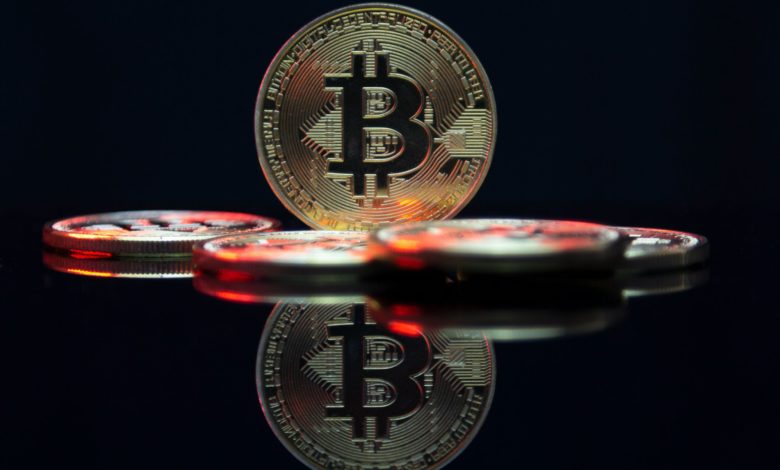
Bitcoin (BTC) rose at the start of the week after Federal Reserve Chair Jerome Powell vowed to resist a renewed pressure campaign from President Trump, a move that rattled traditional markets while offering fresh support to digital assets viewed as alternatives to government-controlled money.
The world’s largest cryptocurrency rose roughly 2% in early trading, rebounding from recent weakness as investors assessed the implications of an unprecedented Justice Department probe into the Fed and what it could mean for monetary policy, market stability, and trust in U.S. institutions.
Powell–Trump Clash Reignites Institutional Risk Concerns
Tensions escalated over the weekend after Powell confirmed that the Justice Department had issued grand jury subpoenas related to his prior testimony before the Senate Banking Committee, a step widely viewed as extraordinary for a sitting Fed chair. Powell framed the action as political pressure rather than a legitimate legal inquiry, warning that it threatens the central bank’s independence.
Analysts across Wall Street and major global news outlets described the episode as a rare institutional shock, raising questions about the durability of the Fed’s autonomy at a time when inflation, growth, and rate expectations remain finely balanced.
Bitcoin Benefits From the “Institutional Hedge” Narrative
Bitcoin’s move reflects its evolving role as a hedge against political and institutional instability rather than a simple high-beta risk asset. While cryptocurrencies often struggle during periods of tightening financial conditions, they have historically found support when confidence in traditional monetary frameworks weakens.
Several crypto-focused analysts noted that Powell’s unusually direct public response underscored the seriousness of the situation, prompting renewed interest in assets that sit outside government control. This dynamic mirrors previous episodes in which Bitcoin gained traction amid concerns over central bank credibility, fiscal dominance, or policy interference.
Rate Expectations Still Matter — But They’re Not the Whole Story
Despite the political drama, interest rate expectations remain largely unchanged in the near term. Futures markets continue to price in a pause at the Federal Open Market Committee’s late-January meeting, following rate cuts late last year that brought borrowing costs to their lowest level in several years. That stability helps limit downside pressure on Bitcoin, even as broader crypto markets remain well below their October highs. Still, analysts caution that crypto’s underperformance relative to equities and gold suggests investors remain selective, favoring assets with clearer cash flows or established safe-haven status.
A Market Searching for Direction
Beyond Washington, the crypto market continues to grapple with slowing inflows, regulatory uncertainty, and uneven institutional participation. While long-term adoption trends remain intact, near-term price action has been driven more by macro narratives than by fundamental developments within the crypto ecosystem itself. Bitcoin’s bounce highlights how quickly sentiment can shift when political risk enters the picture, but it also underscores the market’s sensitivity to external shocks rather than organic demand growth.
Looking Ahead
Bitcoin’s recent strength puts renewed focus on how political pressure on the Federal Reserve could reshape investor behavior in the months ahead. If concerns about Fed independence intensify, digital assets may continue to benefit from their positioning as alternatives to traditional monetary systems. At the same time, sustained gains will likely depend on clearer signals around interest rates, regulatory policy, and whether institutional investors view this episode as a one-off shock or the start of a more prolonged period of instability in U.S. economic governance.